The 6:47 AM Decision
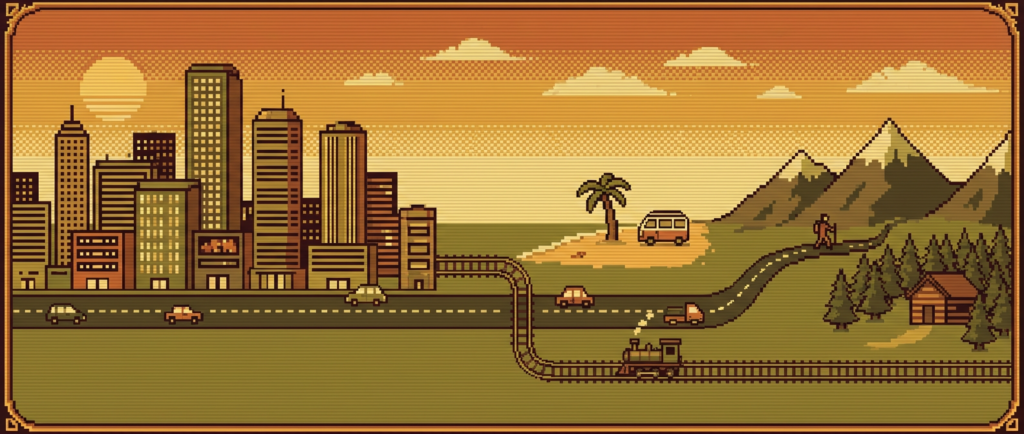
Standing on the platform at 6:47 AM, watching the early commuter train pull in, I realize most travel advice gets day trips completely wrong. Everyone obsesses over the destination while completely ignoring the actual journey. But here’s what I’ve learned after dozens of spontaneous escapes from major cities: the trip itself often delivers the best stories.
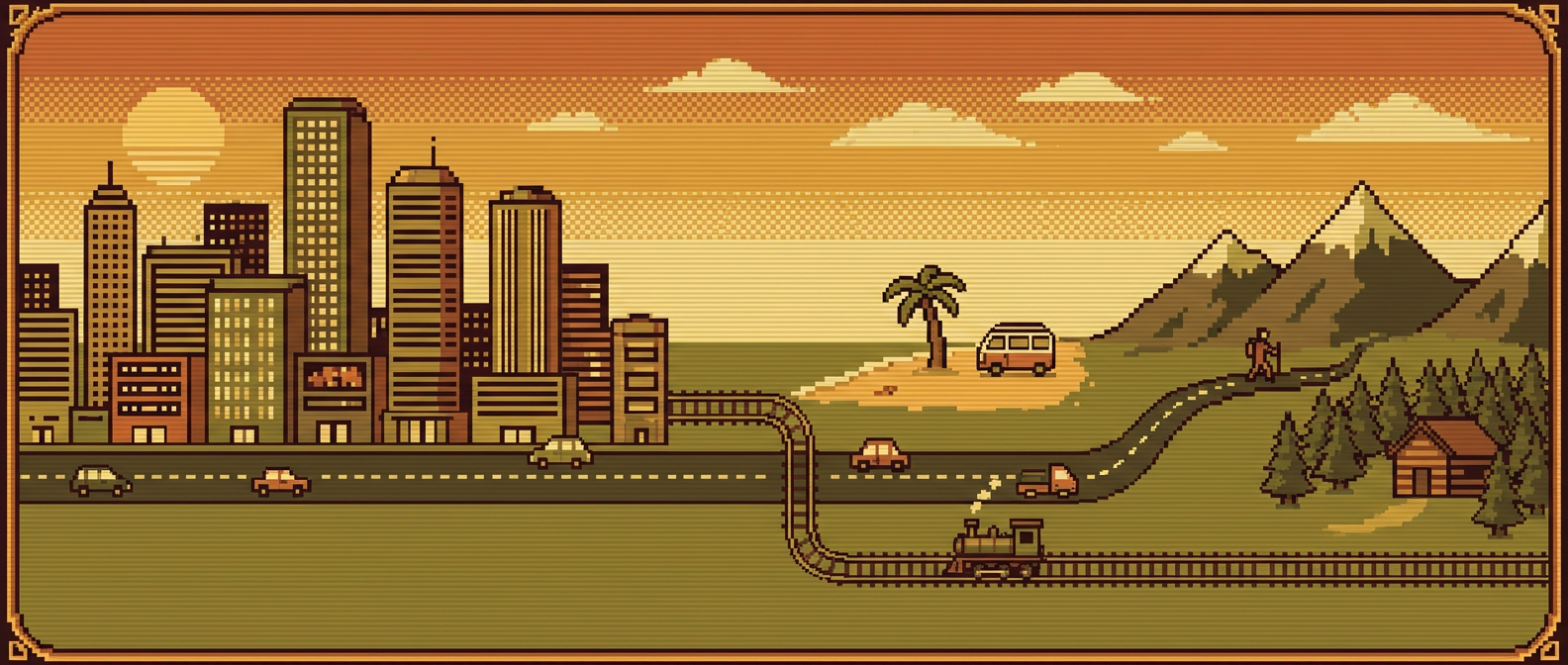
Take last month’s adventure from Chicago to Lake Geneva, Wisconsin. The guidebooks sell you on Victorian mansions and boat tours. What they don’t mention is the revelation that happens during the two-hour Metra ride through forgotten suburbs and farmland. Or how the conductor becomes your unofficial tour guide, pointing out eagle nests and sharing gossip about summer residents.
The dirty truth about day trips is that most people rush through them like items on a checklist. They drive straight to the main attraction, snap photos, eat lunch, and drive home. They miss the entire point. The magic lives in the margins, in the getting there and coming back, in the conversations with strangers and the unexpected detours.
Transportation Reality Check
Let’s talk about trains first, because they’re criminally underrated for day trips. From New York, you can reach the Hudson Valley, Connecticut wine country, or the Jersey Shore without touching a steering wheel. The Metro-North to Cold Spring drops you right at hiking trails and antique shops, with zero parking stress and plenty of time to read or nap.
But trains aren’t always the answer. Sometimes the local bus system unlocks places rental cars can’t reach. From San Francisco, the Golden Gate Transit buses wind through Marin County to places like Stinson Beach or Point Reyes. You’ll see more scenery from the window seat than you ever would while navigating traffic and hunting for parking.
Here’s my controversial take: rental cars often ruin day trips. You spend half the day dealing with GPS confusion, parking fees, and traffic anxiety. Plus, someone has to stay sober. The best day trips involve surrendering control and letting public transportation set the pace. You arrive relaxed instead of road-raged.
That said, some destinations demand a car. Wine regions, national parks, rural small towns with spread-out attractions. The key is being honest about what you’re signing up for. Factor in drive time, parking costs, and the mental energy of navigating unfamiliar roads. Sometimes the two-hour train ride beats the 90-minute drive by every measure that actually matters.
The Art of Spontaneous Planning
My best day trips start with minimal planning and maximum flexibility. I’ll research transportation options and identify two or three potential activities, then let the day unfold naturally. Over-planning kills the spontaneity that makes day trips magical in the first place.
Here’s my system: I always check local event calendars and seasonal highlights before leaving. Farmer’s markets, festivals, seasonal fruit picking. These aren’t tourist traps, they’re genuine slices of local life that happen to be perfectly timed for visitors. A random strawberry festival in a small town outside Portland turned into one of my favorite travel memories.
I also keep a running list of day trip possibilities in my phone, organized by season and transportation method. When Saturday morning arrives and I’m craving an adventure, I don’t waste time researching options. I already know the 9:15 AM ferry to Sausalito pairs perfectly with sunny weather, or that the fall foliage train from Boston to North Conway runs through October.
The secret weapon is local knowledge from people who actually live in your starting city. Bartenders, Uber drivers, and coffee shop regulars often suggest places that never show up in travel guides. They know which beaches are still uncrowded, which small towns have genuinely good restaurants, and which scenic drives are worth the gas money.
What Actually Makes a Day Trip Great
Forget Instagram moments. The best day trips give you experiences you can’t replicate in your home city. Sometimes that’s a perfect fish and chips shop on a British Columbia island. Sometimes it’s a conversation with a local artist at a small-town gallery. Always, it’s about engaging with a place rather than just photographing it.
Food deserves special mention because day trips create unique opportunities to eat locally without the pressure of finding dinner every night. Coastal day trips call for seafood you’d never order in an inland city. Agricultural regions have farm-to-table experiences at prices that would shock big city diners. Small town bakeries serve pastries that haven’t been focus-grouped to death.
I’ve learned to build day trips around one or two specific experiences rather than trying to see everything. Maybe it’s the Saturday farmers market in Saratoga Springs, or the sculpture gardens outside Seattle, or the covered bridges of Vermont in fall. Having a loose theme prevents decision paralysis while leaving room for discovery.
Weather matters more for day trips than longer vacations because you can’t just retreat to your hotel room. But bad weather often creates the most memorable experiences. That rainy day trip to Montauk meant we spent hours in a cozy bookstore and discovered the island’s best clam chowder. Fog in Half Moon Bay turned into atmospheric beach walks and long conversations in coffee shops.
The Return Journey Revelation
The trip back often gives you the best perspective on what you’ve just experienced. Tired but satisfied, you’re more likely to strike up conversations with fellow travelers or notice details you missed on the outbound journey. Some of my favorite travel insights have emerged during the return trip, when my mind is processing new experiences.
Evening trains and buses have a different energy than morning departures. People are more relaxed, more talkative. The light is better for watching scenery pass. You’re already planning your next adventure while savoring the current one’s conclusion.
I always pack snacks and water for the return journey, especially if public transportation is involved. Vending machine prices at transit stations are brutal, and nothing ruins a perfect day trip like hunger-induced crankiness during the final stretch home.
Keep a small notebook or use your phone to jot down details during the return journey. Restaurant names, transportation tips, things you’d do differently next time. These notes become invaluable for future trips or recommendations to friends. Trust me, you think you’ll remember everything, but specific details fade surprisingly quickly.
What’s your most memorable day trip story? The one where everything went sideways but somehow became perfect anyway? I’m always collecting new possibilities for spontaneous adventures, so share your favorites in the comments below.