The Numbers Tell Part of the Story
Morocco just hit 17.4 million tourist arrivals in 2025. That’s not some incremental uptick. That’s the country demolishing its own 2030 target five years early. If you’ve been following the news about the 2023 Al Haouz earthquake, you might be wondering how a country dealing with reconstruction managed to become more attractive to travelers than ever before. The answer is complicated, messier than the headlines suggest, and honestly, worth understanding before you book your own trip.
I spent two weeks moving between Marrakech and the coastal regions this past January. My notebook filled up the way it always does: bus times scrawled in the margins, restaurant names I couldn’t pronounce written phonetically, and plenty of observations about what actually works and what doesn’t. The earthquake happened nearly three years ago. The rebuild isn’t finished. But something strange and genuine is happening right now.
What Destruction Looked Like, and How the Rebuild Changed Things
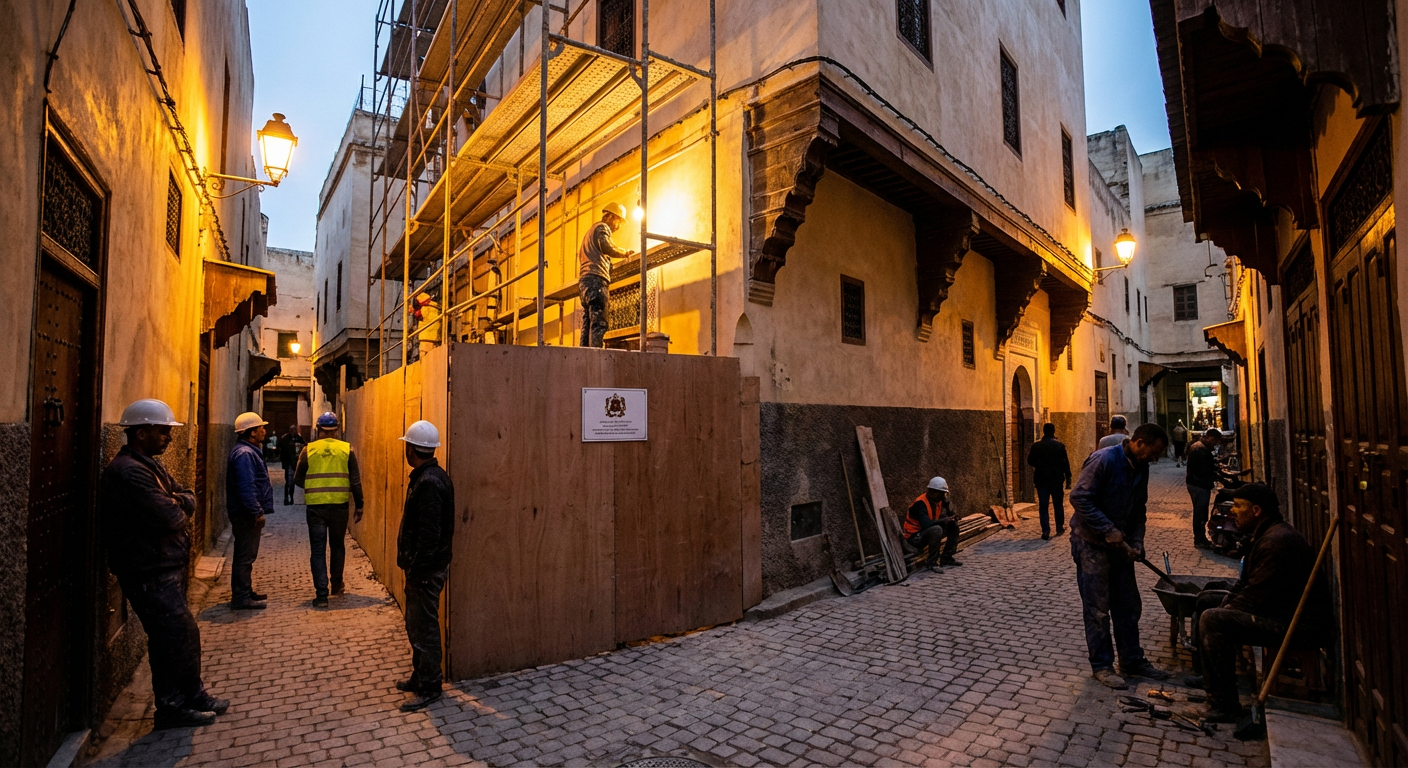
The 2023 earthquake caused an estimated 11.7 billion dollars in damage across Morocco. The medina in Marrakech, that impossibly dense network of narrow streets and centuries-old riads, took the hardest hit. When I walked through certain quarters in early 2026, I could still see the scaffolding, the patched walls, the sections cordoned off. But according to UNESCO’s latest assessments, 60 percent of the damaged structures in Marrakech’s medina have already been restored or stabilized. That’s not quick work. That’s not easy work either.
What surprised me was how the reconstruction process created something unexpected. The Moroccan government issued 1,240 new riad restoration licenses in Fès and Marrakech in 2025 alone, with a heritage recovery program offering 30 percent tax subsidies to boutique hotel operators who met restoration standards. Walk through the medina now and you’ll see scaffolding hiding meticulous work. Some of those new riads are genuinely beautiful. Others are trying too hard. But strict restoration standards meant the rebuild wasn’t just patching holes. It forced owners to do things right or not at all. UNESCO Morocco heritage recovery updates show the medina is actually becoming more preserved, not less.
Getting There Just Got Way Easier
Royal Air Maroc launched 14 new international routes in 2025. Direct flights now connect Marrakech to Miami, Toronto, and Manchester, with round-trip fares starting at 380 dollars. This matters more than it sounds. Before, getting to Marrakech meant connecting through Casablanca or dealing with expensive flights from European cities. Now you can fly direct from Canada. From Florida. From the UK without losing an entire day to layovers.
I took the new Manchester route. No frills, no nonsense, and the cabin filled with actual tourists ready to stay longer because they weren’t already exhausted from travel. The expansion is being positioned as economic stimulus for post-earthquake recovery, and it’s working. The Moroccan National Tourism Office has been strategic about which routes to add. They knew exactly which markets would respond. They were right.
The Coast Has New Energy
Agadir’s Taghazout Bay surf resort complex finished construction in late 2025. Three thousand two hundred new hotel rooms. The government is positioning it as a serious competitor to the Canary Islands for European winter travelers. I spent three days there in January and watched the infrastructure still settling into itself. The roads are new. Some restaurants haven’t figured out their rhythm yet. But the potential is obvious.
If you’ve been to Morocco before and found Marrakech too crowded or Fès too overwhelming, the coastal expansion changes the equation. Taghazout was already a backpacker destination. Now there’s actual accommodation capacity. The beach town vibe persists but with better plumbing. The town still has character. It just has more options for where to sleep.
The Honest Assessment
Here’s what I need to tell you clearly: Morocco’s tourism boom is real, but it’s creating the same pressures you see everywhere else right now. The medinas are busier. Some restaurants have started charging tourist prices the moment they hear an accent. The new infrastructure means more people can come, which means more people will come. The balance between recovery economy and overtourism is fragile.
But the reconstruction wasn’t cynical. The tax subsidies for heritage restoration created actual incentive structures. The new riads in Marrakech’s medina are genuinely committed to preservation in ways that pre-earthquake developments sometimes weren’t. The new airline routes brought visitors during shoulder seasons, not just peak times. And the coastal expansion took pressure off the medinas by offering alternatives.
If you’re thinking about going to Morocco in 2026, the answer is yes, but go with open eyes. Book your riad through someone who knows the medina, not just through Instagram. Eat where the tour guides don’t take people. Take the new direct flights to save energy for actual travel. And understand that you’re arriving during a genuine transition moment. The country isn’t back to what it was before the earthquake. It’s becoming something different. What parts of the Moroccan rebuild are you most curious about?