The Setup: Why I Went When Everyone Else Was Still Skeptical
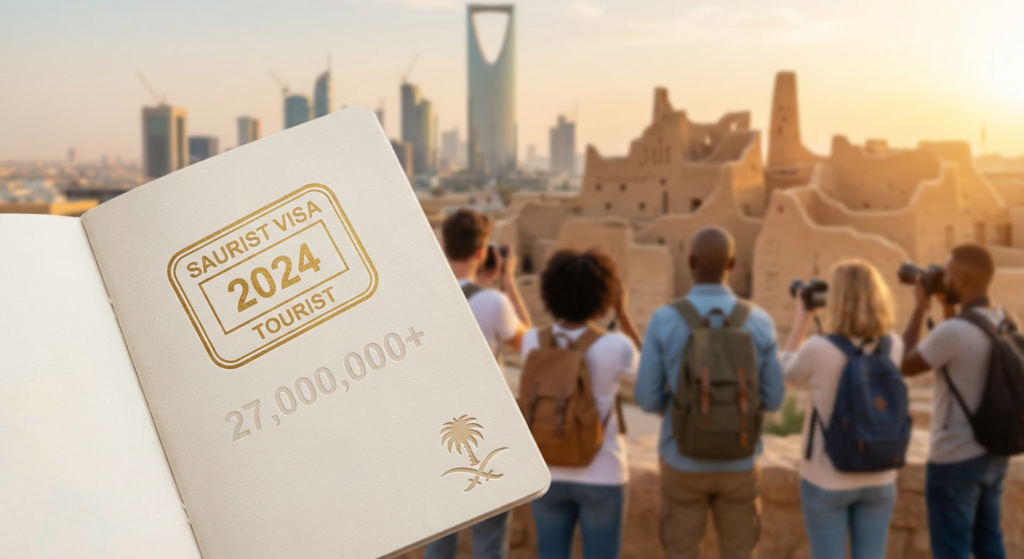
Saudi Arabia hit 27 million tourist visas in 2024. Let that number sit for a second. That’s more than the entire population of Australia visiting one country in a single year. The Saudi Tourism Authority had aimed for 17 million by 2030 under Vision 2030. They crushed that target three years early, which means the infrastructure you’re reading about isn’t theoretical anymore. It’s actually operational. People are actually going. I had to see it myself.
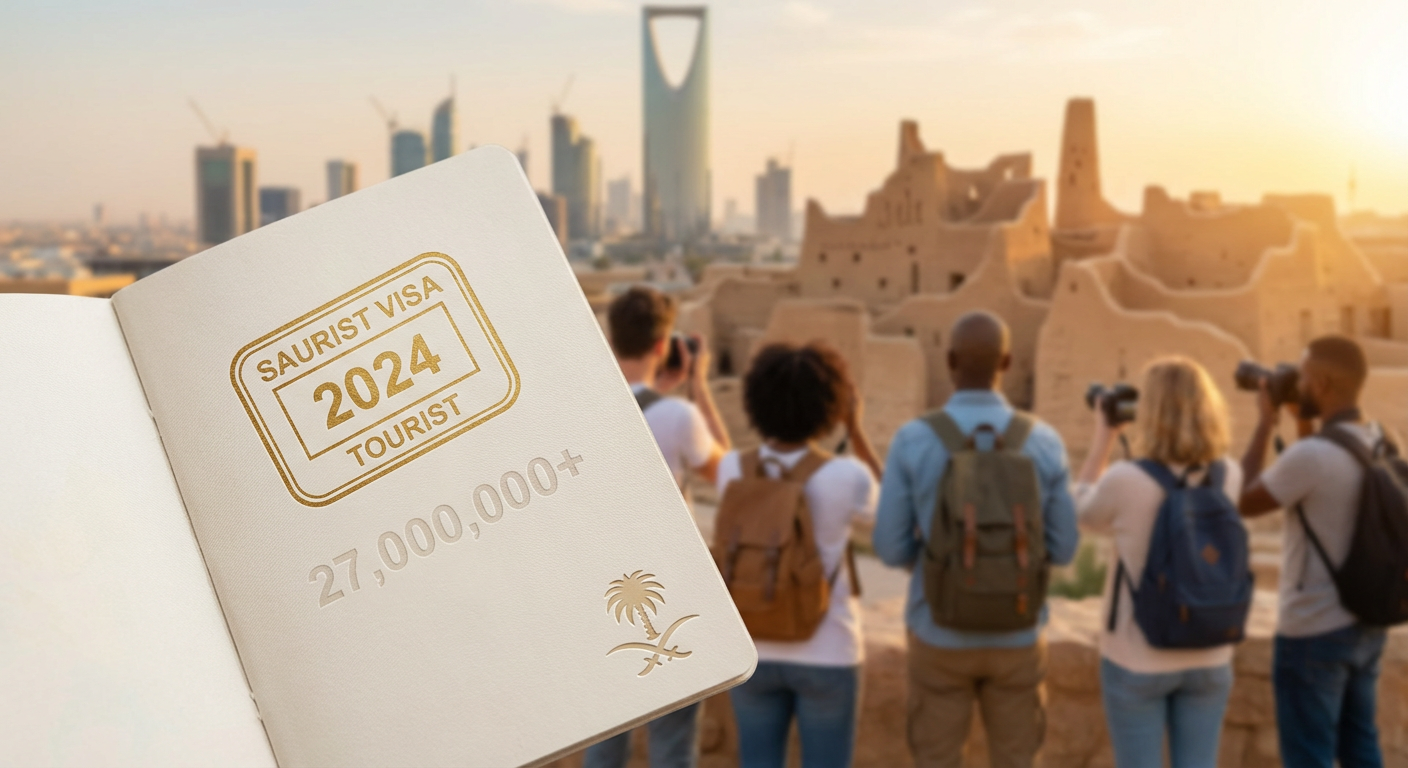
The visa situation alone has changed everything. A hundred and thirty bucks, valid for 90 days, approved within 24 hours through the Sharek platform. No embassy visits, no waiting in line for three hours watching a bored official flip through your passport. You apply online before breakfast and by lunch you’re approved. This wasn’t possible five years ago. The speed matters because it means Saudi Arabia is no longer gatekeeping tourism through bureaucracy.
I went in early 2026 skeptical and notebook-ready. I wanted to know what was real, what was still half-finished, and where the actual good food was hiding. AlUla called first because of the historical weight. Then Sindalah Island because I needed to understand what a Red Sea luxury island actually looks like when the construction dust hasn’t fully settled.
AlUla: More Than Just Another Archaeological Site
AlUla welcomed over 300,000 visitors in 2024. The Saudi government has committed $15 billion to the region’s development. These aren’t small numbers, and they translate directly into what you see on the ground. The infrastructure exists. The hotels exist. But here’s what caught me: it doesn’t feel overrun yet. Not like Marrakech or Bali. There’s still space to move, to breathe, to sit in a cafe without jostling for an outlet.
Hegra is the anchor, the historical draw. It’s Saudi Arabia’s first UNESCO World Heritage Site, and the designation makes sense the moment you see those facades carved into rock formations. The tombs feel ancient in a way that photographs don’t capture. You can read about Nabatean architecture all you want, but standing in front of a 2,000-year-old carved structure has its own grammar. UNESCO’s Hegra listing has the historical details if you want them beforehand.
What actually surprised me was everything around Hegra. The town of AlUla itself, the valley landscape, the way the local government has managed tourism without flattening the place into a theme park. I ate at a restaurant run by a woman who trained in Jeddah but came home because she wanted to cook for her community. The food was better than most places charging triple the price in major cities. The waiter knew everyone who walked in. That matters. That’s the difference between a tourist site and a place you’d actually want to spend time.
The hotel situation is genuinely good. Not just “acceptable for a destination in development,” but actually good. I stayed at a property that had invested in design and service without trying too hard. Nobody was performing luxury at me. The rooms worked. The breakfast appeared. The staff knew what they were doing. Budget-conscious travelers should know: midrange hotels here are genuinely solid, and you’re not paying London prices.
Sindalah Island: The Megaproject Reality Check
Sindalah Island is NEOM’s luxury yacht and dive destination in the Red Sea. The first phase opened late 2025 with marina facilities operational. Before you ask: yes, there are construction cranes visible. Yes, the broader NEOM project has experienced delays. No, it’s not a ghost town or abandoned megaproject. It exists. It functions. But it’s also not finished.
I needed to see this because I’m tired of reading about megaprojects that either don’t materialize or arrive half-baked. Sindalah splits the difference in an interesting way. The marina works. Boats are there. The dive operations are running. I went out with a guide who knew the Red Sea well, and the coral systems are genuinely spectacular. The reef isn’t overdegraded. The fish variety is legitimately impressive. They’ve managed not to destroy the thing yet, which is the honest environmental note here.
The luxury resort component is sleek and minimal in that particular ultra-luxury way. Floor-to-ceiling windows, understated everything, prices that match the aesthetic. It’s not my scene personally, but that’s a personal preference, not a critique of execution. They’ve built a functional high-end property. The problem is you can see where more is coming. Construction is ongoing. The master plan isn’t complete. If you go expecting a finished destination, you’ll feel cheated. If you go understanding you’re visiting an opening phase, you’ll find it interesting.
The real question is whether Sindalah is worth the trip. My honest answer: if you’re a serious diver or yacht enthusiast, yes. The Red Sea diving is world-class, and having marina facilities in that location changes the accessibility equation for certain travelers. If you’re going for the resort experience alone, you might have a more polished time elsewhere. But as a lens into how Saudi Arabia is actually building tourism infrastructure, it’s a useful place to spend a few days.
The Actual Logistics That Matter
Saudi Arabia is now the world’s fastest-growing tourist destination. The UNWTO recorded a 73 percent increase in international arrivals compared to 2019 baseline figures. That stat matters because it means the infrastructure is racing to keep up, and there are both benefits and gotchas.
Benefits: flights from most Western cities exist now. Budget airlines have started running routes. Competition is driving prices down. Hotels are actively recruiting international staff. Translation services exist. Road infrastructure is modern and well-maintained. Getting a tourist visa is genuinely frictionless through the Saudi Tourism Authority’s official portal.
Gotchas: because tourism is moving so fast, some services are still finding their rhythm. Restaurant staff in smaller towns may speak limited English. ATMs in rural areas are sometimes unreliable. Public transportation exists but isn’t always clearly signposted for non-Arabic readers. The solution is simple: download offline maps, carry cash backup, be patient with language barriers. These aren’t dealbreakers. They’re just the texture of traveling somewhere that hasn’t yet fully professionalized every transaction.
The Question You Actually Want Answered
Should you go? Yes, but with caveats. Go if you’re interested in archaeological sites that aren’t swarmed with tour groups yet. Go if you want to understand how a country is actively reimagining its economy. Go if you want diving or diving logistics that actually work. Go if you’re willing to be a little flexible about finishing details.
Don’t go if you need everything polished and complete. Don’t go if you’re uncomfortable with conservative social norms that still apply outside the main tourist zones. Don’t go if you want a cheap trip, because it isn’t, though it’s reasonable value for what you get.
I left with a notebook full of bus schedules I didn’t use, restaurant names I did, and a genuine sense that Saudi Arabia has figured out how to open its doors without immediately destroying what makes those places worth visiting. That’s harder than it sounds. Most countries fail at this equation. So far, they’re managing it.
What’s your experience been, or what questions do you have about traveling there? I’ve got restaurant recommendations, hiking routes, and genuinely terrible advice about which tourist shops to skip. Drop a comment or send a message. I’m still organizing my notes.