Your Pinterest Board Is Lying to You
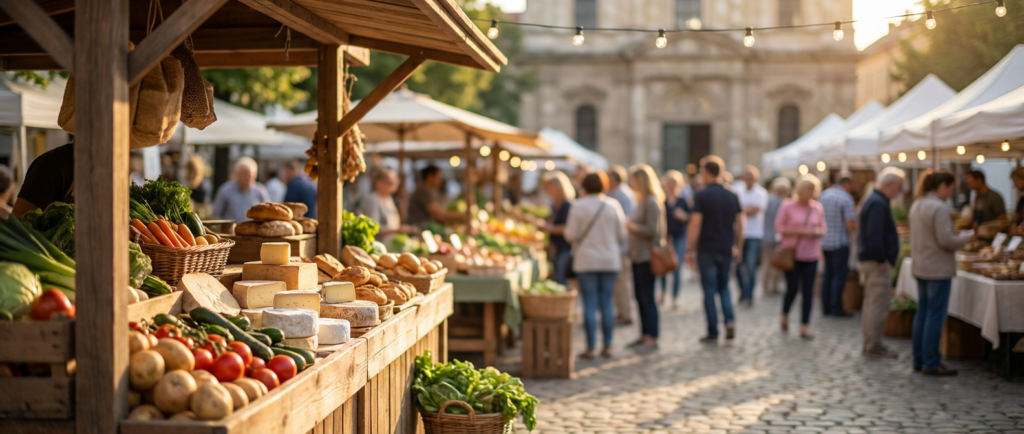
That market photo you saved? The one with perfectly arranged spice pyramids and laughing vendors? It’s probably from 2015, before the neighborhood gentrified and rent tripled. I learned this the hard way in Lisbon, dragging my hungover self to what was supposedly an “authentic morning market” only to find a construction site and a Starbucks.
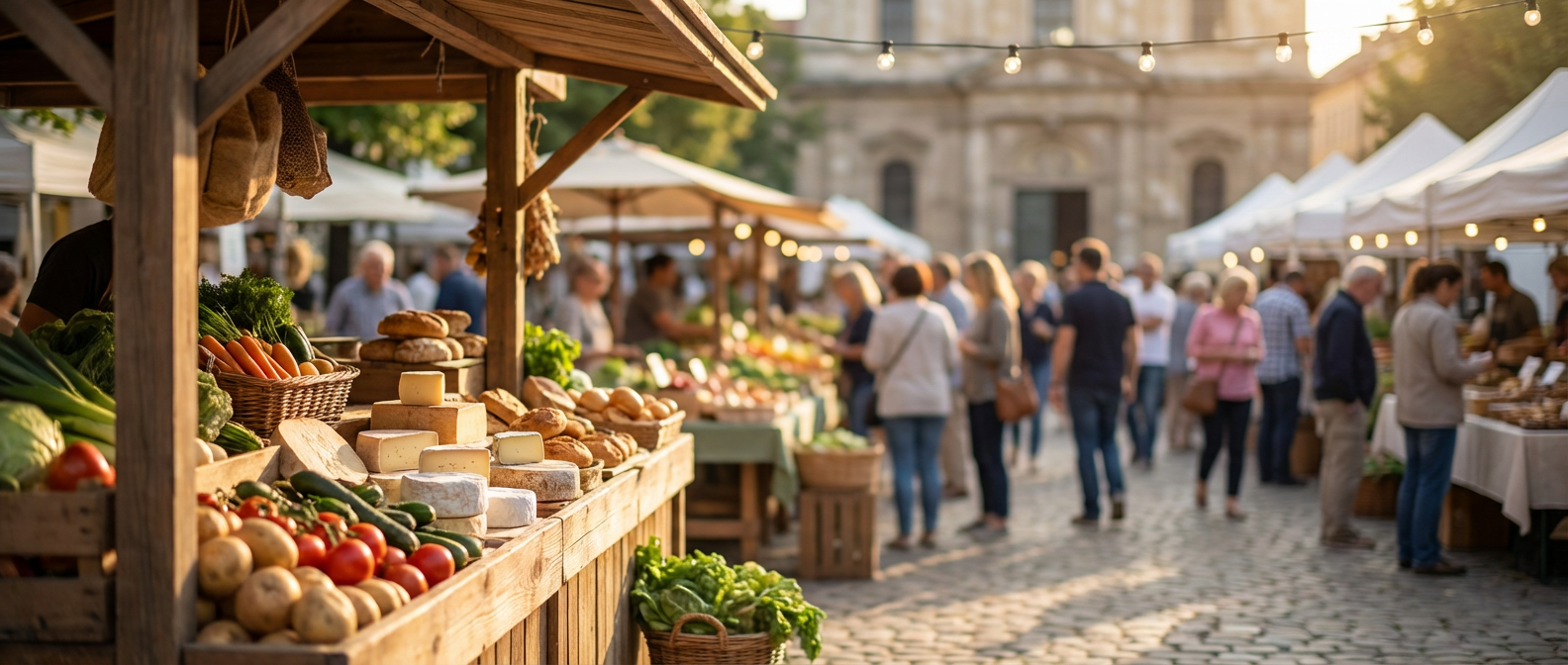
Food markets change fast. Really fast. The Instagram-famous La Boqueria in Barcelona now charges tourist prices for mediocre jamón while actual locals shop at Mercat de Sant Antoni. That hole-in-the-wall taco stand in Mexico City? Closed during COVID and never reopened. The night market in Chiang Mai that every blog raves about? Moved locations three years ago.
Before you plan your entire day around visiting some “must-see” market, check recent Google reviews. Look for photos from the last six months. Better yet, ask your hotel staff where they actually buy groceries. That answer will save you time, money, and the crushing disappointment of finding a tourist trap where authenticity used to live.

Morning Markets vs Tourist Markets (And Why Timing Ruins Everything)
Real food markets run on local schedules, not Instagram schedules. The best vendors arrive at dawn, sell out by noon, and go home. Show up at 2 PM expecting the full experience and you’ll find wilted vegetables and vendors packing up.
I hit Queen Victoria Market in Melbourne at 7 AM and watched actual chefs selecting ingredients. Same market at noon? Overpriced souvenirs and crowds of tourists photographing empty stalls. The difference isn’t just atmosphere. It’s the entire point of going. Early morning means talking to vendors who aren’t exhausted from explaining the same spices to 200 people that day.
Some markets completely flip identity based on time. Pike Place Market in Seattle becomes a tourist circus after 10 AM, but arrive at 8 AM and you’ll see fishmongers actually working, not performing. Borough Market in London? Get there right when it opens or weekend crowds turn browsing into a contact sport.
The uncomfortable truth: authentic market experiences require getting up early. They happen when it’s inconvenient for your vacation schedule.
When “Authentic” Actually Means Expensive and Mediocre
Every guidebook tells you to eat at the market. Most of that advice is terrible. Market food stalls often serve overpriced, underwhelming versions of dishes you can get better and cheaper elsewhere. Those famous oysters at Grand Central Market in LA? You’re paying Manhattan rents for shellfish that’s fine but nothing special.
I spent $15 on a “traditional” pozole at a Mexico City market that tasted like it came from a packet. Two blocks away, a taquería with plastic chairs served better pozole for $3. The market location was convenient and Instagram-ready. The taquería required walking and looked sketchy. Guess which one locals actually eat at.
Markets aren’t valuable for the prepared food, they’re valuable for buying ingredients and understanding local food culture. Watch what people actually purchase. Notice which stalls have lines of locals versus tourists. Buy fruit you’ve never tried instead of paying markup for familiar dishes poorly executed.
The Markets Worth Your Time (And How to Work Them)
Some markets earn their reputation and keep it. Tsukiji Outer Market in Tokyo deserves the hype, but only if you know the system. Skip the famous tuna auction tourist show and head straight to the knife vendors and tea shops. Eat at the tiny counter spots where sushi chefs grab breakfast, not the places with English menus.
Reading Terminal Market in Philadelphia gets touristy but maintains quality because local vendors compete with each other daily. The trick is avoiding weekend crowds and knowing which stalls locals hit. DiNic’s roast pork sandwich lives up to expectations. The Pennsylvania Dutch soft pretzels don’t.
Eastern Market in Detroit operates exactly like markets should, as neighborhood infrastructure, not tourist destinations. Vendors know regulars by name. Prices reflect actual food costs, not location markup. You’ll learn more about Detroit food culture in 30 minutes there than in any restaurant district downtown.
The pattern: markets that serve local communities first and tourists second tend to maintain both quality and authenticity. Markets that exist primarily for visitors optimize for photos over food.
What Actually Works (My Notebook Method)
I keep vendor names and stall numbers in my travel notebook because good market finds are specific, not general. “Great market” tells you nothing. “Stall 47, woman in red apron, best mango vendor, speaks some English, opens at 6 AM” gets you fed properly.
Ask vendors what they eat for breakfast. Ask where they shop on their days off. Ask what’s actually in season versus what’s shipped in for tourists. Most vendors enjoy talking shop with people who seem genuinely interested instead of just hunting for photo opportunities.
Buy something small from vendors whose setups look professional and clean before committing to larger purchases. One good interaction often leads to recommendations for other stalls or even meals at family restaurants that don’t appear in any guidebook.
The best market experiences happen when you stop trying to see everything and start actually engaging with the people selling food. That engagement requires showing up ready to be curious rather than just checking items off a travel list.
Got questions about specific markets or cities? I’ve probably wandered through them with my worn notebook in hand. Drop a comment and I’ll tell you what actually worked versus what looked good on paper.