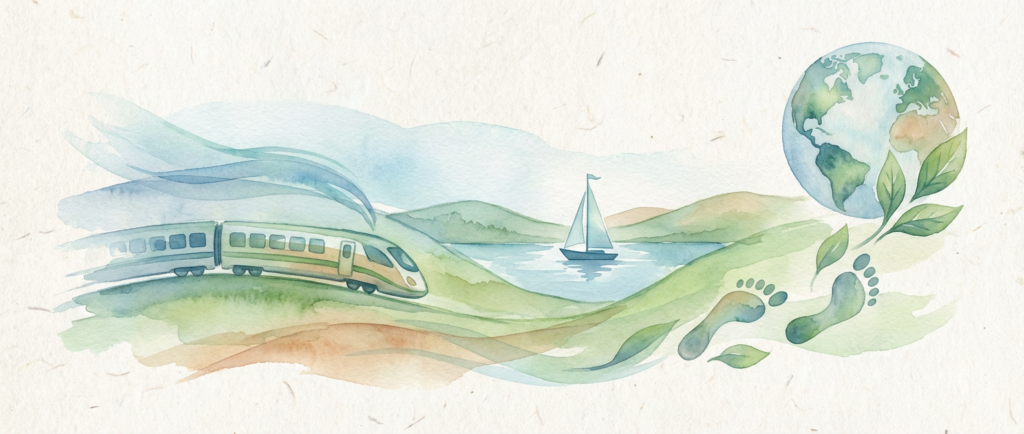
The Real Impact of Getting There
Your flight to Bangkok emits roughly the same carbon as an entire year of driving. Aviation contributes 2.5 percent of global carbon dioxide emissions, but its actual climate impact reaches 3.5 percent when accounting for high-altitude effects like contrail formation and nitrogen oxide release. The math is stark, yet millions of us continue boarding planes each year.

This gap between environmental awareness and travel behavior creates what researchers call cognitive dissonance. We know the numbers. We see the headlines about climate change. Yet we also feel that deep human pull toward connection, discovery, and escape that travel satisfies. I’ve felt this tension myself, booking flights while genuinely caring about my environmental impact.
The “flight shame” movement that started in Sweden has begun changing European travel patterns. Domestic flight bookings dropped significantly in Scandinavia and Germany as travelers choose trains more often or simply travel less. The movement raises uncomfortable questions about privilege, necessity, and what we’re actually willing to give up for the planet.
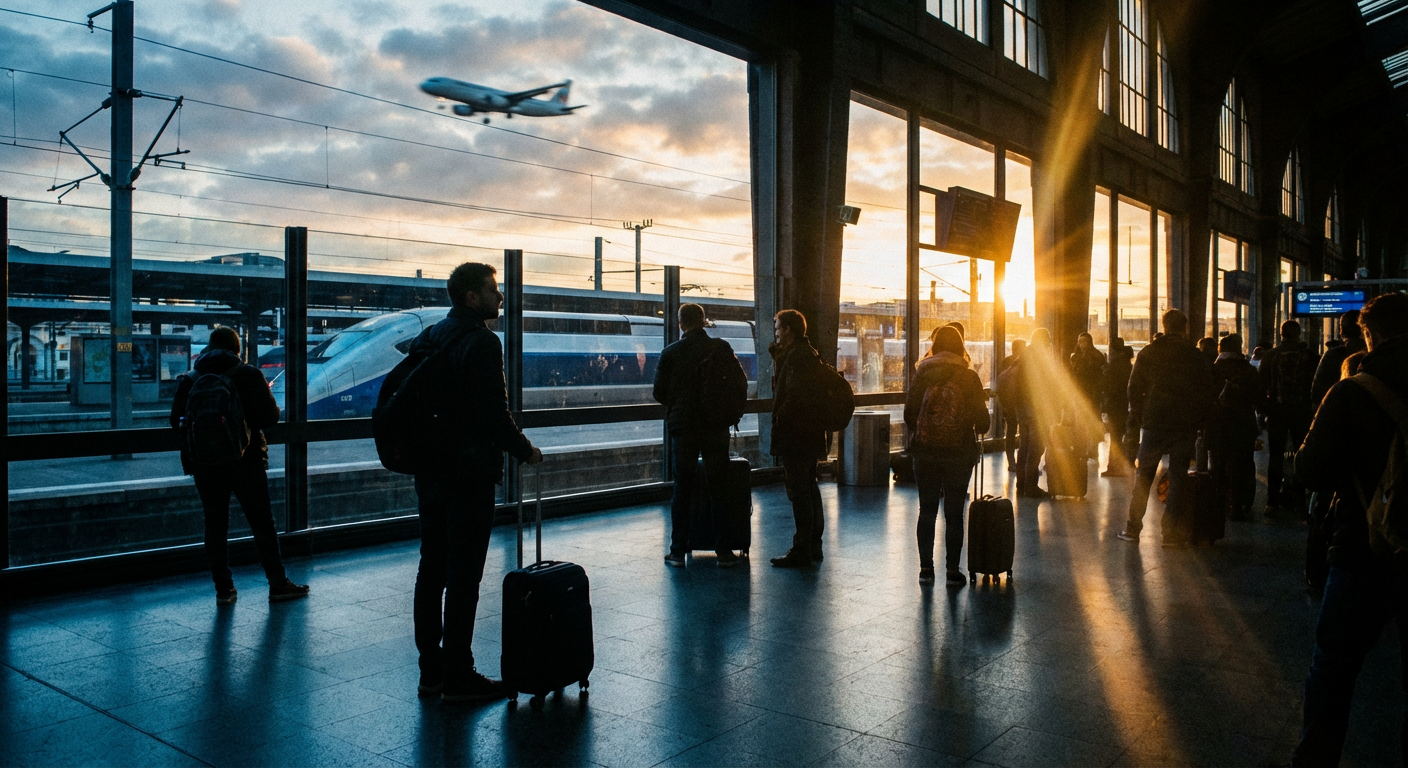
When Good Intentions Meet Flawed Solutions
Carbon offsetting looked like the perfect compromise. Pay a few extra dollars, fund a tree-planting project or renewable energy initiative, and travel guilt-free. Unfortunately, reality got messy fast.
Major news outlets started digging into offset programs and found serious problems. Projects that promised carbon removal often failed to deliver real results. Some tree-planting initiatives planted the wrong species for local conditions or failed to account for natural forest growth that would have happened anyway. Others funded renewable energy projects that were already profitable without offset money.
The offset industry’s credibility crisis doesn’t mean all programs are scams. But travelers can no longer buy peace of mind through simple calculations. The most honest approach admits that offsets can’t fully cancel out travel’s environmental impact, especially from long flights across oceans.
The Comeback of Slow Travel
Europe is seeing a real revival of rail travel, especially overnight trains. New routes and upgraded services are launching every year through 2028, connecting cities from Stockholm to Rome and Paris to Vienna. This isn’t just nostalgia for old-fashioned train travel.
Night trains produce genuine carbon savings compared to flying, often with similar door-to-door travel times once you factor in airport security and transfers. A Paris to Berlin overnight journey creates roughly one-tenth the emissions of a flight while delivering you refreshed to city centers instead of distant airports.
But the benefits go beyond environmental math. Slow travel lets you transition gradually between places and cultures. You watch the landscape change outside your window rather than experiencing that jarring moment of stepping off a plane into completely different surroundings. This pace often makes the journey itself part of the destination.
Beyond Damage Control: Making Places Better
Some destinations and tour operators are moving past just minimizing harm toward actually improving places through tourism. These regenerative tourism approaches focus on leaving destinations better than you found them, whether through hands-on conservation work, supporting local economies in meaningful ways, or participating in restoration projects.
Examples include reef restoration programs where divers help scientists replant coral, wildlife corridors funded through tourism revenue, or community development projects that provide both authentic cultural exchange and real local benefits. These initiatives need careful evaluation to avoid “voluntourism” that makes travelers feel good more than it helps local communities.
Organizations like Responsible Travel and The Sustainable Tourism Collective help travelers find genuinely beneficial programs. The key is looking for projects designed by local communities to address their actual needs rather than what outsiders think they need.
The Cruise Ship Problem
Cruise tourism faces mounting environmental criticism as research shows the industry’s outsized impact. Large ships burn heavy fuel oil that produces serious particulate matter and sulfur emissions. Wastewater discharge, even when treated, affects marine ecosystems in popular cruise corridors.
The industry talks up technological improvements like cleaner fuel systems and advanced wastewater treatment. But the core problem remains: thousands of passengers concentrated in small geographic areas, often fragile marine environments that can’t handle such intensive visitation without serious damage.
Some cruise lines now offer expedition-style voyages with smaller ships focused on education rather than entertainment. These alternatives typically carry 50-200 passengers instead of thousands and emphasize wildlife observation and cultural learning over shopping and buffet dining.
Choosing Your Path Forward
Sustainable travel isn’t about finding perfect solutions in an imperfect world. It’s about making more thoughtful choices within messy, complex systems. Travel less often but stay longer when you do go. Choose destinations you can reach by lower-impact transportation when possible. Pick operators and accommodations that show genuine environmental commitment rather than just green marketing.
The most sustainable trip might be the one you don’t take, but complete travel abstinence ignores tourism’s potential for positive cultural and economic exchange. The real challenge is finding the balance between wanderlust and environmental responsibility that lets both personal growth and planetary health coexist.
What matters most is honest engagement with these messy dilemmas rather than searching for easy answers that don’t exist. How are you handling the tension between travel desires and environmental concerns? What trade-offs feel acceptable in your own journey toward more conscious tourism?