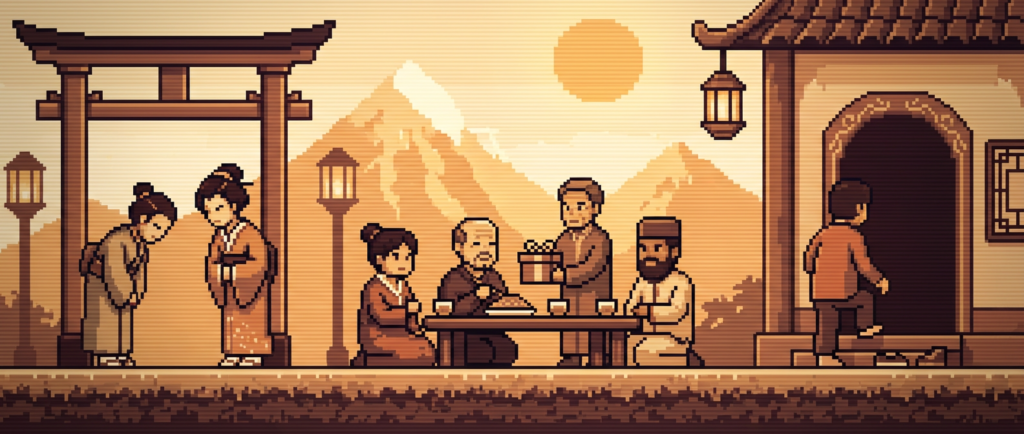
The Temple Photo That Taught Me Everything
I was twenty-two and absolutely certain I was being respectful. Shoulders covered, shoes off, camera tucked away during prayers. I’d done my research on visiting Buddhist temples in Thailand. What I hadn’t researched was the subtle art of where to sit, how long to linger, or that my enthusiastic questions to the monk afterward were interrupting his evening meditation routine.
The gentle correction came from another traveler, a woman who’d been living in Chiang Mai for three years. “Your heart’s in the right place,” she said, “but you’re trying so hard to be respectful that you’re kind of… a lot.” It stung because it was true. I was performing cultural sensitivity rather than actually being sensitive to the culture around me.
That conversation changed how I approach cultural etiquette while traveling. It’s not about following a checklist of do’s and don’ts. It’s about reading the room, staying curious instead of certain, and accepting that good intentions don’t automatically equal good impact.

The Guidebook Rules That Miss the Point
Every travel guide tells you to dress modestly in conservative countries. Fewer explain that “modest” means different things in different contexts. Covering your knees might be perfect for a mosque visit but completely wrong for a beach town where your long pants scream “tourist who doesn’t get it.” I learned this the hard way in coastal Morocco. There I was, overdressed and sweating while local women wore flowing kaftans that were both modest and practical.
The real cultural etiquette isn’t in the universal rules. It’s in the micro-adjustments. How close do people stand when talking? Do they make eye contact with strangers? Is silence comfortable or awkward? These patterns shift not just between countries but between regions, social classes, and generations within the same culture.
I keep a running list in my notebook of these observations. Not to judge, but to adapt. In Japan, I noticed people bow slightly when answering phones, even though the caller can’t see them. In Argentina, friends kiss hello even in casual encounters I’d handle with a wave. These small rituals show how a culture values respect, intimacy, and social connection.
The Problem with Cultural Performance
There’s a whole category of travelers who collect cultural experiences like Instagram badges. They learn to say “namaste” in Nepal, wear traditional dress for photos, and enthusiastically participate in ceremonies they barely understand. Their hearts are often in the right place, but the execution feels extractive.
I’ve watched tourists haggle aggressively at markets because they heard it was “part of the culture,” missing that there’s a difference between playful negotiation and grinding down someone’s livelihood. I’ve seen people force conversations with locals for authentic experiences, not recognizing when someone is being polite rather than genuinely interested in chatting.
The line between appreciation and appropriation isn’t always clear, especially in tourist-heavy destinations where local customs have been modified for visitor consumption. That “traditional” dance performance might be completely authentic, or it might be a simplified version created for short attention spans and photo opportunities. Both can be valuable, but pretending there’s no difference does everyone a disservice.
The question isn’t whether to engage with local culture, but how to do it without centering yourself in the story. Sometimes the most respectful thing is to observe quietly rather than participate enthusiastically.
When Respect Gets Complicated
Cultural sensitivity becomes genuinely difficult when local customs conflict with your personal values. Do you participate in traditions that make you uncomfortable? How do you show respect for practices you disagree with? I’ve wrestled with this in countries where gender roles felt restrictive, where environmental practices seemed harmful, or where animal treatment differed from my standards.
In rural Guatemala, I stayed with a family whose water usage and waste management reflected economic constraints, not environmental choices. My usual eco-friendly travel habits suddenly seemed privileged and irrelevant. Lecturing about sustainability would have been tone-deaf, but completely abandoning my principles felt wrong too.
I’m still working out these tensions. Sometimes respect means adapting to local norms even when they’re uncomfortable. Sometimes it means finding quiet ways to maintain your values without imposing them. The goal isn’t moral purity but thoughtful navigation of complex situations where everyone’s trying to do their best with different constraints and perspectives.
The Small Gestures That Actually Matter
Real cultural respect often happens in moments too small for social media. Learning how to properly hand someone a business card in South Korea. Remembering which hand to use for eating in Morocco. Knowing that direct eye contact shows respect in Germany but might be invasive in parts of Southeast Asia.
These details matter because they signal that you’ve paid attention. They show you recognize that your way isn’t the only way, and you’re willing to adjust your behavior to make others comfortable. It’s not about perfection but about effort and awareness.
I’ve made countless mistakes. I’ve accidentally insulted people, misread situations, and stumbled through customs I didn’t fully understand. The difference now is that I’m quicker to notice when something feels off, more willing to ask for guidance, and better at apologizing when I get it wrong. Cultural competence isn’t about avoiding all mistakes but about learning from them gracefully.
The most meaningful travel moments often happen when you stop trying so hard to be culturally correct and start being genuinely curious about the people around you. That curiosity, paired with humility and respect, tends to open doors that no guidebook can predict.
What moments have taught you the most about navigating cultural differences while traveling? I’m always collecting stories about those lightbulb moments when we realize we’ve been missing something important. Drop me a line with your experiences, especially the uncomfortable ones that led to better understanding.